Leftover Are for Quitters Thanksgiving: A Designer's Honest Review
When an embroidery design lands in my library, my first question isn't "Is it cute?" but "Will it work?" As someone who stitches for clients, my craft business, and gifts, I need to know how a design will perform in a real project, not just on a screen. So, let's talk about Leftover Are for Quitters Thanksgiving from a practical, stitching perspective.
The Personality and Mood of this Thanksgiving Statement
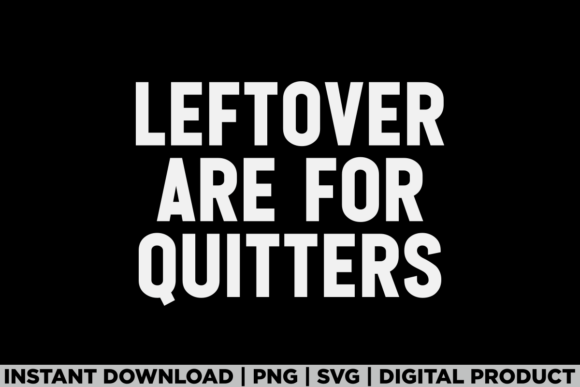
Your first impression is likely the bold, humorous theme. It's confident and a bit cheeky, perfect for someone who embraces the feast with gusto. Visually, as a graphics-style design, it feels like it's meant to be a clear, readable statement. The layout is likely centered on delivering that phrase with impact, without overly fussy decorative elements. This gives it a modern, straightforward visual personality that works well for custom apparel. It creates a mood of fun and relatability, ideal for a holiday that’s all about gathering and indulgence.
The Natural Habitat: Where This Design Belongs
Based on its theme and likely composition, Leftover Are for Quitters Thanksgiving naturally belongs on items meant for celebration, gifting, or lighthearted wear. Think of a custom embroidered sweatshirt for a Friendsgiving party, a tote bag for carrying holiday groceries, or a crisp apron for the chief chef in the kitchen. It's a superb option for a personalized gift, as the description suggests, for that dear friend or family member with a sense of humor. For a small shop product, it could be a standout item on a tea towel or pillow cover in a boutique during the fall season.
I can easily picture using it for a holiday gift—embroidered onto a nice cotton kitchen towel paired with a bottle of wine. The design's direct message adds immediate value and personalization, enhancing the giftability of the finished item.
Performance in Real-Life Embroidery Situations
Now, for the crucial part: how will it stitch out? For a design with text as its core, clarity is paramount.
On stable fabrics like canvas for a tote bag or mid-weight cotton for a pillow cover, it should perform beautifully, with clean lettering. On a sweatshirt or t-shirt, you’ll need to be meticulous with your stabilizer choice to prevent puckering, especially if the design has any dense fill stitch areas. The category T-Shirt Designs indicates an intention for apparel, but remember, knit fabrics require extra care.
For baby clothes or items needing frequent washing, consider the stitch density. A very dense design might feel stiff on a soft baby blanket. Always test on scrap fabric first. If you're creating an embroidered patch, this design could be fantastic—its bold statement makes for a great standalone patch to apply to a cap or bag.
Where to Use With Care
Certain applications demand extra attention. If the design has small lettering or intricate details, stitching it on a curved surface like a cap can be tricky; hoop size and placement become critical. On dark fabric, thread color contrast is everything—you might need to choose brighter, lighter threads to ensure the message pops.
Avoid very small hoop sizes if the design is large or has fine details, as compression can distort them. Textured fabrics like linen can add charm but may make small text less sharp. And on thin or stretchy fabric, without proper stabilization, the embroidery could pull or warp the material, affecting both the visual appeal and the durability of your handmade product.
The Impact on Your Project and Your Customer
Using a design like this isn't just about stitching; it's about the final product's story. When a customer sees Leftover Are for Quitters Thanksgiving neatly embroidered on a garment, it communicates professionalism and care. The stitching clarity directly affects customer trust and the perceived value of your work.
For your craft business, such a well-executed, theme-specific design can boost buyer engagement—it’s relatable and timely. It enhances your item's handmade presentation by showing you offer unique, conversation-starting pieces. If you're an Etsy seller or digital product seller, a clean, well-rendered digital embroidery file is a solid commercial design asset. For brand consistency, if your shop specializes in humorous holiday items, this design fits perfectly into that collection.
Practical Designer Notes Before You Hoop
Before you commit this design to a client's order or your own shop merchandise, do your homework.
- Always stitch a test run on a similar fabric scrap to check for any issues with stitch density or small details.
- Review the design in both black and white mockups to imagine it on light and dark backgrounds. This helps plan your thread palette.
- Confirm the required hoop size to ensure your machine and project fabric can accommodate it.
- Inspect the design file closely. Are there tiny corners or very thin lines that might get lost? Adjust your expectations or settings accordingly.
- Use a proper stabilizer for your chosen fabric type—this is non-negotiable for professional results.
- Crucially, check the licensing terms provided with the machine embroidery design. Confirm whether it's suitable for personal and commercial projects, especially if you plan to sell the finished product or include it in your digital product offerings. Never assume.
Finally, think about the end-user. An item embroidered with Leftover Are for Quitters Thanksgiving is meant to be enjoyed, shown off, and perhaps laughed over. Your skill in translating this graphics file into crisp, durable stitches completes that experience. It turns a digital file into a tangible piece of holiday spirit, whether it's on a gift, in your small shop product line, or on your own Thanksgiving sweater. That’s the real project use we’re all aiming for.