An Embroidery Designer's Take on the Coffee Lover Birthstone Design
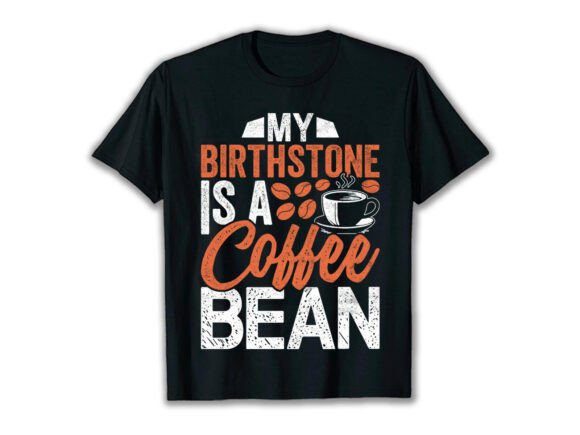
In my studio, I look at dozens of new embroidery designs every week. Most are fine, but only a few have that spark – the kind of thoughtful composition and genuine appeal that makes me want to load them into my machine immediately. When I saw My Birthstone is a Coffee Lover T-Shirt, it landed squarely in that latter category. It wasn't just another graphic; it felt like a conversation starter waiting to be stitched.
The First Impression: Clever, Clean, and Full of Character
Let's talk about that immediate gut reaction, because that's what often sells a finished product. This design is clever. It merges two universally beloved concepts – personal identity through birthstones and the shared ritual of coffee – into one cohesive visual. The mood it creates is warm, personal, and a little bit witty. It's not shouting; it's inviting. You get the sense it’s meant for someone who enjoys a quiet moment with a mug, or maybe the vibrant energy of a café.
The layout feels balanced, with clean lines and what appears to be a manageable level of detail. This is crucial. As a designer who stitches for clients, I need a file that translates clearly from screen to fabric, without losing its personality in the process. The visual personality here is friendly and modern, leaning towards a giftable, heartfelt aesthetic rather than a loud, commercial one. It naturally belongs to projects meant for connection: personalized gifts, boutique apparel, or items for a small shop that values storytelling.
Where This Design Thrives in Real Projects
I start by imagining the design stitched out. My mind immediately goes to a cozy, well-made sweatshirt – the kind of garment this design would elevate beautifully. The clean lines suggest it would stitch out with excellent clarity on a mid-weight cotton or a soft fleece. The theme is a perfect fit for custom apparel aimed at coffee enthusiasts, whether for a barista’s personal jacket or as a best-seller in an Etsy shop focused on café culture.
But its versatility is broader. That balanced composition makes it a strong candidate for a tote bag – a canvas that would allow the design to shine as a daily companion. I also picture it beautifully on a kitchen towel or a simple apron, transforming a utilitarian item into a personalized gift. For a holiday gift, stitching this on a high-quality pillow cover for a coffee-loving friend would feel incredibly thoughtful. The design carries enough weight to feel substantial but not so dense that it would overwhelm a baby item like a bib or a small blanket, provided the fabric and stabilizer choices are right.
For craft business owners, this is the kind of asset that builds a collection. It could anchor a line of “coffee lover” products, from embroidered patches to cap designs, ensuring brand consistency. In a printable mockup for a digital store, it would present as a professional, desirable digital embroidery file. The key is its visual appeal – it looks like something a customer would want to wear or use, which directly boosts buyer engagement and perceived product value.
Practical Considerations and Where to Exercise Caution
Now for the realistic part. Every design has its ideal applications and its tricky ones. With a design like this, the devil is in the details – specifically, any potential small lettering or intricate corners within the birthstone and coffee cup elements.
I would be cautious using it on very small hoop sizes. Compressing the design could muddle those clean lines. Textured fabrics like thick terry cloth or certain weaves could interrupt the smooth flow of any satin stitch or fill stitch areas, so a robust stabilizer is non-negotiable. On thin or stretchy fabric, like a lightweight tee, proper stabilization becomes even more critical to prevent puckering and maintain that clean look.
Dark fabric backgrounds require a thoughtful thread color strategy. A simple white or light cream might not provide enough contrast; you might need to test a slightly brighter or more saturated palette to keep the design popping. For curved surfaces like caps, the design's layout would need to be assessed for fit – a central, balanced motif often works, but you must check the specific dimensions.
Any areas of high stitch density could become stiff on flexible garments, affecting comfort and durability for items needing frequent washing. The goal is to preserve the handmade presentation without sacrificing the practicality of the finished product.
The Embroidery Designer's Checklist Before Stitching
Before I ever run this for a client or my own shop, here’s my personal workflow. First, I always test the design on scrap fabric identical to my final project fabric. This reveals everything: how the stitch density feels, whether small details remain crisp, and how the thread colors interact with the background.
I check thread color contrast rigorously, both on light and dark backgrounds. Sometimes, a design that looks perfect on a screen needs a slight hue adjustment for real fabric. I review the hoop size requirements and inspect small details under a magnifier after a test run – are corners sharp, do letters remain readable?
Creating black and white mockups helps me see the design purely as form and composition, stripping away color bias. I also confirm whether the design is suitable for both personal and commercial projects. This is a fundamental step for any Etsy seller or small shop owner. You must confirm licensing before selling finished items or including the file in a digital product bundle. Never assume.
Turning a Digital File into a Trusted Product
When a design like My Birthstone is a Coffee Lover T-Shirt stitches out well, it does more than just decorate a surface. It builds customer trust. A clean, professional embroidered result signals care and skill. It enhances the giftability of an item, making it feel special and intentional. For a creative entrepreneur, it becomes a reliable design asset that can be used across multiple products, from embroidered patches to baby embroidery on a keepsake.
In a busy market, this kind of design offers clear recognition. A customer sees it and immediately understands the sentiment. That connection is priceless. It moves the item from being just another craft fair product to being a piece with a story. For apparel decorators and makers, that’s the ultimate goal: creating something that resonates, wears well, and represents your work honestly.
So, my final judgment? This design has strong potential. It’s not a generic graphic; it’s a concept with heart and clarity. With careful testing and smart application, it can become a standout piece in your embroidery project portfolio, whether you're making a one-off personalized gift or building a line of commercial embroidery products for your business. Just remember the golden rule: always test first, and stitch with intention.